
OPINION: Prepare for an Increase in Unwanted Political Texts and Emails
The surge of unsolicited text messages from political candidates is typically considered a violation of anti-spam laws, yet these actions are often labeled as necessary 'voter outreach.' In the weeks leading up
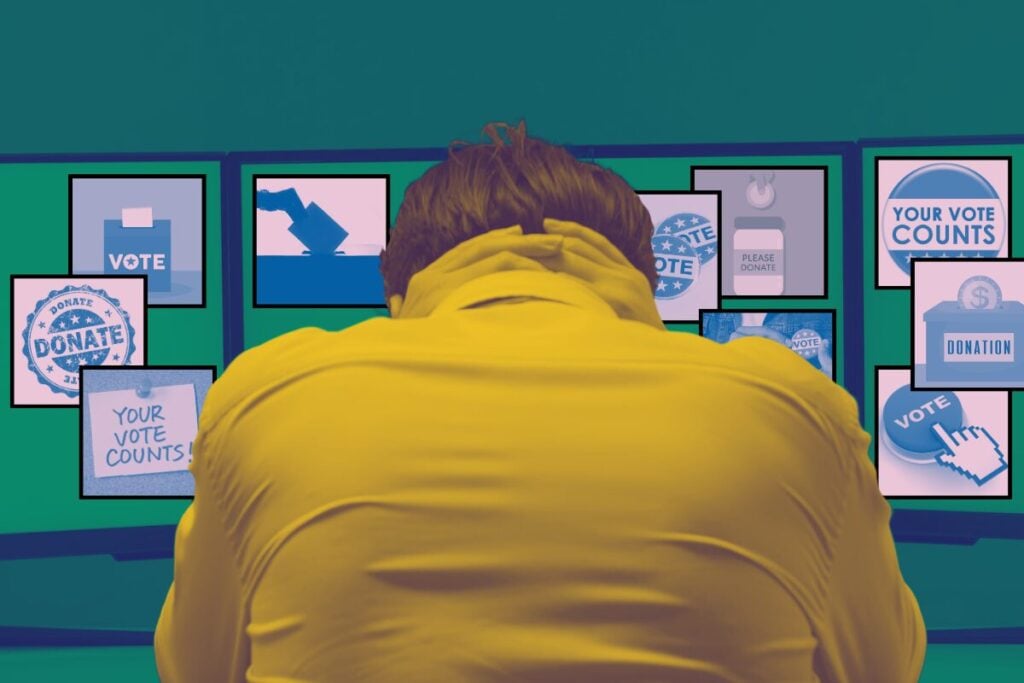
The surge of unsolicited text messages from political candidates is typically considered a violation of anti-spam laws, yet these actions are often labeled as necessary ‘voter outreach.’ In the weeks leading up to elections, voters can expect an influx of myriad messages, ranging from pleas for donations to deceptive push polls, utilizing personal cellphones as platforms for political advertisements.
While traditional social media reliance on algorithm visibility limits outreach, text messages almost guarantee visibility. With modern smartphones featuring text previews, recipients often see message content without needing to open them. The approach is also cost-effective, contributing to its rise since it gained popularity in the 2020 election.
Unfortunately, political communications increasingly resemble tactics used by scammers; many political messages are sent without obtaining explicit consent. With regulations seemingly loosely interpreted by the Federal Communications Commission, political campaigns acquire extensive voter lists with ease. This results in individuals inadvertently appearing on numerous contact lists due to prior engagement with like-minded candidates or causes.
Even for those uninvolved in any campaigns, data regarding personal contact information can be acquired from voter rolls and private data brokers, leading to targeted communication. As the 2024 election approaches, reports suggest that data brokers possess vast databases of cellphone numbers and detailed voter profiles, allowing campaigns to tailor their messages based on past behaviors.
The continuing invasion of privacy raises concerns about the effectiveness of any potential regulations that aim to limit such political outreach. Industry actors benefiting from these communications are not inclined to restrict their own access to direct mobile messaging. With technological advances improving junk and spam filters, political strategists are beginning to worry about how their outreach efforts may be impacted, as they once faced challenges with mass email communications ending up in junk folders.
Therefore, it’s imperative that voters treat unsolicited political texts as spam. Reporting these messages as junk will create the necessary awareness and help reduce the frequency of invasive political outreach during election cycles.


Comments
No comments yet.